

Anti-blue light glasses: when they are needed in everyday life
Many people associate Anti-blue light glasses exclusively with computer work, but the reality is more complex. The question isn't whether blue light is "good" or "bad," but rather when and how its exposure becomes relevant to visual comfort and daily well-being. Rather, the key is understanding when computer glasses are actually useful. This means observing how digital habits are changing—specifically, how much time we increasingly spend in front of screens and what effects may emerge over time. However, vision prevention isn't just for those who work in front of a monitor.
Blue light, in fact, is no longer confined to offices or workstations.
It's an integral part of daily life, present in smartphones, tablets, televisions, and even the screens we use during our free time. Evening scrolling, TV series, texting, casual games, and constant surfing extend our exposure well beyond work hours, often without us realizing it.
Blue light in everyday life: where we are really exposed
Blue light is a natural component of the light spectrum, also present in sunlight. The problem isn't its existence, but the increased artificial exposure , especially in the evening hours.
Smartphones, tablets, and TVs emit high-energy blue light, often at close range and for extended periods.
In everyday life, this exposure occurs in a fragmented but continuous way.
Checking your phone in the morning, using a computer during the day, and looking at a screen in the evening create an overlap of visual stimuli that reduces the eyes' recovery time. The result isn't always immediate, but can manifest as fatigue, dryness, or difficulty relaxing your eyes.
As is known, the Istituto Superiore di Sanità has highlighted how prolonged use of digital devices is associated with transient visual disturbances, especially in the absence of adequate breaks and correct lighting management.
In this context, blue light is not an isolated enemy, but part of a digital ecosystem that requires attention and awareness.
Anti-blue light glasses: what they do in everyday practice
Computer glasses are designed to reduce some of the light emitted by digital screens, helping to make viewing more comfortable. In everyday practice, their role is not to provide absolute "protection," but to mitigate one of the most common factors of visual stress.
The Italian Ophthalmological Society emphasizes that prolonged exposure to screens can cause eye strain and that managing contrast, reflections, and lighting is essential for eye comfort.
In everyday life, these glasses can be useful in specific situations: evening use of smartphones and tablets, prolonged viewing of digital content, continuous switching between devices. The main benefit is not immediately "measurable," but manifests itself as a greater visual continuity , with less feeling of tiredness at the end of the day.
It's important to clarify that they don't replace breaks, proper posture, or good ambient lighting. They work best when they're part of a broader approach to digital time management.
Evening life, sleep and visual comfort
One of the areas in which blue light becomes most relevant is in the evening.
Exposure to bright screens in the hours before sleep can interfere with the physiological mechanisms associated with relaxation. It's not just about vision, but about the balance between stimulation and recovery.
This is why the evening use of electronic devices can affect the quality of sleep and a reduction in light exposure before sleeping is recommended , both to reduce eye strain and general well-being (Source: Ministry of Health)
In this scenario, Anti-blue light glasses can help make the evening viewing experience less stimulating for the eyes, promoting a more gradual transition to rest. They don't eliminate the problem of hyperconnectivity, but they help reduce the intensity of visual stimulation , especially for those who use digital devices until late at night.
Smartphones, social media, and visual micro-stress
Smartphone use deserves specific consideration.
Unlike computer work, phone interaction is fragmented, repetitive, and often unconscious. Dozens of micro-sessions a day, at close range, create a constant visual load that is rarely perceived as such.
This type of exposure promotes subtle but persistent fatigue. The eyes rapidly shift from natural light to screen, from long distance to close distance, without any time to adapt. Over time, this dynamic can affect overall visual comfort.
In everyday life, the focus should not only be on the amount of time, but on the continuity of exposure , as well as adequate eye protection through the use of Anti-blue light lenses .
A choice linked to the digital lifestyle
Asking yourself when you really need Anti-blue light glasses means looking at your digital lifestyle.
Not everyone has the same needs: some people don't work much on the computer but spend a lot of time on their smartphone, some use different screens throughout the day, and some concentrate their digital use mainly in the evening.
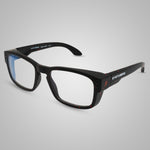
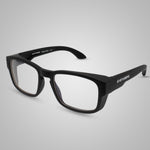
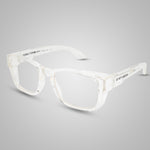
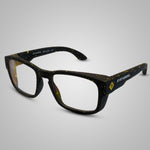
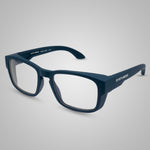
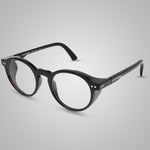
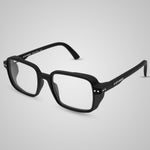
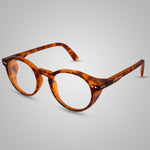
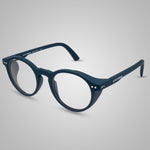
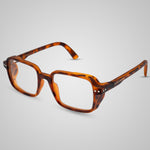
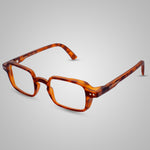
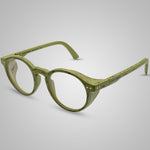
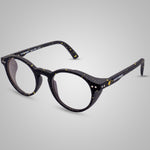
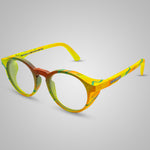
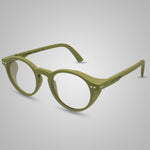
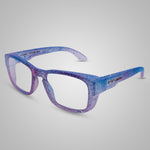
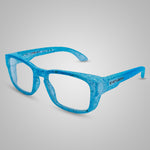
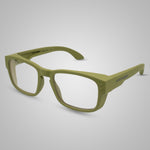
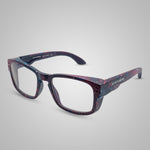
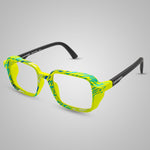
In this context, solutions designed to accompany the daily routine, such as those present in the Lifestyle collection , are inserted as a reference for transversal use, not tied to a single context.
Visual prevention isn't an immediate response to a symptom, but a way to better manage exposure over time. Blue light is just one factor at play, but recognizing its role helps build a more balanced relationship with digital.
In everyday life, the quality of our viewing experience often depends on small, repeated choices. This is where the difference between normalized fatigue and conscious comfort lies.


