


Blue light and gaming: real-world effects on vision and concentration
In gaming, attention is everything. Reactivity, reading the environment, and the ability to remain immersed without losing focus are elements that make the difference between a smooth session and one that quickly turns into fatigue. Yet, when it comes to blue light , the debate often swings between alarmism and underestimation.
On the one hand, it's portrayed as the invisible enemy of digital, on the other as a false problem amplified by marketing. In the middle are gamers, who spend hours in front of high-brightness screens, often in dimly lit environments and with constant visual stimulation.
Understanding the real effects of blue light in gaming means moving beyond simplifications and observing what actually happens to our eyes and concentration during gameplay. This isn't to demonize the technology, but to learn how to manage it more consciously.
What is blue light in the context of gaming?
Blue light is a natural component of the light spectrum, also present in sunlight. In gaming, however, exposure to it occurs under specific conditions: high-intensity LED screens, close viewing distances, high contrast, and prolonged sessions.
Unlike occasional smartphone use, gaming imposes a constant visual load . The eyes are constantly working to follow rapid movements, color changes, and details that require precise focus. In this context, blue light becomes one of the factors that contribute to overall visual stress.
In gaming, therefore, blue light is not an isolated problem, but part of a set of stimuli that make the visual experience more intense and, over time, more challenging for the eyes.
Vision, attention, and fatigue: what changes during gaming
One of the most interesting aspects of the relationship between blue light and gaming concerns concentration . When gaming, visual attention must remain high for prolonged periods, often without natural pauses. This leads to reduced blinking and increased exposure of the ocular surface.
As time passes, the eyes begin to send signals of fatigue:
- dryness;
- burning sensation;
- difficulty maintaining stable focus.
These signals do not necessarily interrupt the game, but they consume cognitive resources , reducing the ability to concentrate.
In competitive or intensive gaming, this means that visual fatigue affects not only the eyes, but also the quality of decision-making , reaction times, and perception of the gaming environment.
Blue light, evening gaming sessions and their impact on pacing
Many gaming sessions take place in the evening hours, when ambient lighting is dimmed and the screen becomes the primary light source. During this time, blue light plays an even more significant role.
In gaming, this doesn't mean that playing in the evening is "bad," but that the visual intensity can make it harder to transition from the activation phase to the recovery phase. The eyes remain stimulated, the mind struggles to slow down, and the feeling of fatigue can be less noticeable but more persistent.
Managing blue light in this context means making the evening experience less aggressive on the visual system , without sacrificing the immersion of the game.
Because in gaming, the quality of vision also matters
In gaming, we often talk about frame rate, resolution, and refresh rate.
These are all fundamental elements, but they also impact the work of the eyes. The more defined and dynamic the image, the more information the visual system must process.
Reducing eye strain doesn't mean lowering the quality of the experience, but making it more sustainable over time . This is where solutions designed for intensive gaming come into play, such as those explored in the article on eye strain in gaming , which analyzes how stress and session length are closely linked.
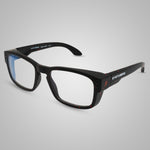
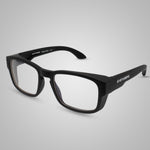
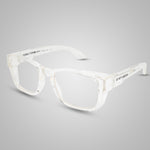
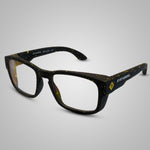
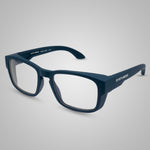
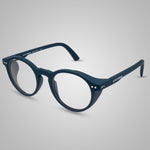
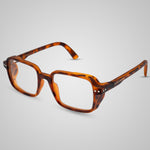
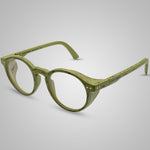
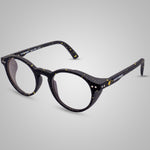
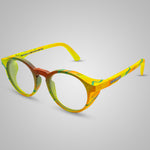
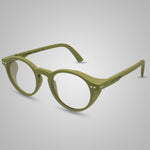
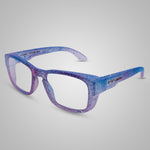
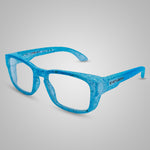
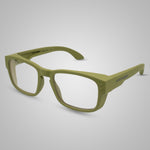
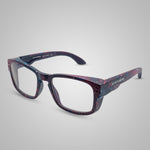
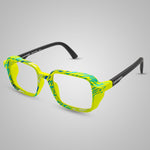
In this context, the choice of blue light-blocking frames and lenses, designed for long sessions, also plays an important role. The frames in the P1 collection , for example, are designed to offer stability and comfort during prolonged gaming, reducing physical distractions that can amplify visual stress.
Myths and Facts About Blue Light in Gaming
One of the most widespread myths is that blue light permanently “damages” eyesight.
Italian scientific evidence suggests a more balanced reading: the main problem is not structural damage, but functional fatigue linked to prolonged and unmanaged exposure.
Blue light, in gaming, becomes relevant when added to:
- very long sessions
- dimly lit environments
- lack of breaks
- reduced distance from the screen
Under these conditions, visual load increases and the quality of the experience tends to deteriorate over time. Talking about blue light consciously therefore means shifting the focus from "danger" to intelligently managing exposure to digital screens.
In modern gaming, vision is a strategic resource. Not just for "seeing better," but for maintaining continuity, attention, and enjoyment in the game. Blue light is one of the elements that influence this balance, but it's not the only one.
Observing how your concentration changes during a long session, recognizing signs of fatigue, and understanding when the experience becomes more tiring are fundamental steps towards a more mature relationship with gaming.
In an increasingly complex visual ecosystem, the difference isn't in eliminating stimuli, but in the ability to manage them without them becoming a limitation, by wearing glasses with blue light-blocking lenses that protect your eyes. This is how gaming remains an intense yet sustainable experience.


