





Working on a computer is no longer an exception, but the very fabric of many professions. The hours spent in front of a screen add up seamlessly, between work, communications, documents, and calls. Eye strain sets in gradually and, precisely for this reason, is often normalized. Until it begins to interfere with concentration.
Blurry vision, burning eyes, difficulty maintaining attention, and headaches at the end of the day are common symptoms for those who engage in prolonged digital activities. In this context, a legitimate question arises: are computer glasses really necessary , or are they only a partial solution to a broader problem?
To approach the topic seriously, it's useful to start with what happens to the eyes during digital work and which tools can help make the visual experience more sustainable over time.
Computer work and eye strain: what happens to your eyes?
Computer work requires constant close-up focus, often for many hours at a time. This constantly stresses the eye muscles, reducing the natural pauses the eye would otherwise have in more dynamic environments. Added to this are artificial light, reflections on the screen, and postures that aren't always optimal.
A common side effect is reduced blinking. When you're focused on a screen, you blink less, compromising the eye's natural lubrication. This leads to dryness, irritation, and a feeling of fatigue.
The Italian National Institute of Health (Istituto Superiore di Sanità) reports that prolonged use of digital devices can cause temporary visual disturbances , especially in the absence of adequate breaks and correct lighting.
These problems are part of a condition known as digital eye strain, which does not appear suddenly but builds over time, often silently, to the point of impacting the quality of the working day.
Computer Glasses: Function, Benefits, and Real Limitations
Computer glasses are designed to improve visual comfort during prolonged exposure to screens. Their purpose is not to correct vision defects or replace an eye exam, but to optimize viewing conditions during digital work.
One of the most debated aspects concerns the blue light emitted by screens. The Italian Ophthalmological Society has clarified that prolonged exposure to screens can contribute to eye strain and that proper management of lighting and contrast can improve comfort, especially during continuous activities.
Computer glasses can help reduce reflections, glare, and excessive micro-contrasts, making vision more stable over time. However, it's important to maintain a balanced perspective: they won't solve the problem of eye strain on their own, but they work best when incorporated into a routine that includes breaks, correct posture, and adequate lighting.
Visual comfort and productivity: a concrete relationship
When the eyes are tired, the brain must compensate for the visual effort with increased cognitive effort. This results in lapses in attention, difficulty concentrating, and increased mental fatigue. Productivity suffers, although the connection isn't always immediately obvious.
The Ministry of Health emphasizes the importance of preventing disorders related to prolonged use of digital screens , highlighting how protecting eyesight is an integral part of well-being at work.
Adequate visual comfort doesn't make work "easier," but it does make it less distracting . Reducing eye strain allows for greater operational continuity and a clearer understanding of tasks, especially on digitally intensive days.
For this reason, the topic of visual comfort is increasingly central to reflections on contemporary work and the sustainability of digital routines.
Frame and daily use: why details matter
When working at a computer, glasses are often worn for many hours at a time. In this context, the frame plays a crucial role. Weight, balance, and fit directly impact how the glasses feel throughout the day.
A well-designed frame reduces pressure points on the nose and temples, remains stable during movement, and gradually becomes imperceptible. Minor discomforts, if repeated over hours, can turn into constant distractions.
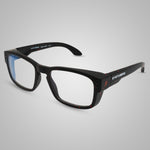
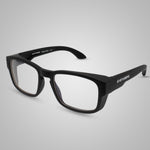
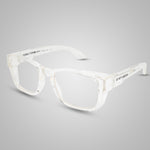
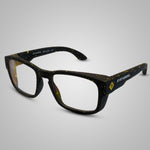
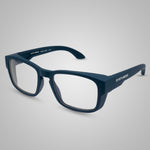
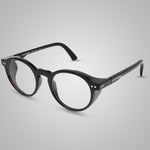
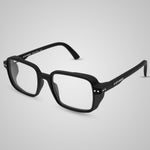
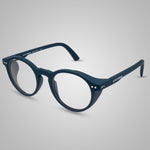
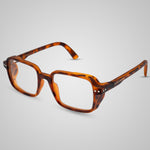
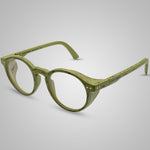
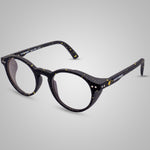
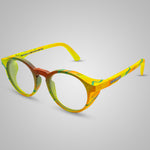
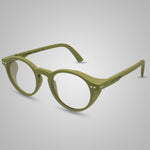
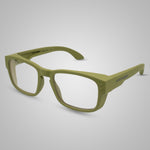
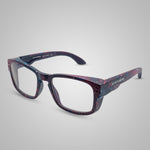
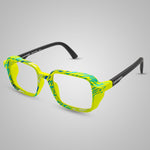
In everyday digital work, where comfort is a key variable, models designed for extended wear help maintain a balance between functionality and style. The Lifestyle collection solutions fit into this context as a reference for those who live digitally every day, without resorting to invasive solutions.
A question of digital awareness
Asking whether glasses are really necessary for those who work at a computer means questioning our relationship with our digital time. In a context where the screen is a central tool, vision becomes a resource to be carefully managed.
Reducing eye strain doesn't eliminate the complexities of digital work, but it helps make them more sustainable. Taking care of your eyesight means recognizing that well-being also depends on what we often take for granted.
In the long run, the quality of your work experience also depends on your ability to listen to your body's signals. Vision, like attention, is one of those resources that deserves to be preserved before fatigue becomes the norm.


