


Gaming Glasses: Why They Really Make a Difference
Clarity and concentration over time. Longer sessions, complex visual environments, increasingly bright screens, and a hectic schedule put the eyes under constant pressure. It's often normalized, almost invisible, until fatigue becomes evident.
Burning eyes, difficulty focusing, and decreased attention span are common symptoms among those who play regularly. They don't indicate a lack of stamina, but rather a silently increasing visual load. In this context, it's time to talk about gaming glasses. It means asking ourselves how to make the gaming experience more sustainable, without altering its intensity or immersion.
Understanding why these glasses really make a difference requires looking at what happens to your eyes during gaming and how visual comfort impacts, often subtly, the overall quality of the experience.
What happens to your eyes during a gaming session
During a gaming session, the eyes are subjected to continuous and highly dynamic effort. Video games combine rapid movements, sudden changes in brightness, high contrast, and overlaid visual information such as HUDs, indicators, and mini-maps. Unlike other digital activities, attention remains constantly high, reducing natural visual recovery pauses.
One of the most common effects is decreased blinking. When you're focused on a screen, you blink less, compromising the eye's natural lubrication. This often leads to dry eyes, burning, and a feeling of fatigue after just a few hours.
The American Optometric Association identifies this set of symptoms as digital eye strain , a condition that is increasingly common among those who use digital screens extensively.
In gaming, the phenomenon is amplified by the duration of the session and the visual intensity. The discomfort isn't always immediate, but tends to emerge at the end, when the eyes struggle to readjust to natural light or maintain stable focus.
Why gaming glasses improve comfort and visual continuity
Gaming glasses address a specific need: reducing the visual strain associated with prolonged use of screens. One of the most controversial issues is the high-energy blue light emitted by monitors, TVs, and displays, which is particularly intense during gaming.
Several studies have analyzed the relationship between exposure to blue light, eye strain, and sleep quality, highlighting how prolonged exposure can increase the sensation of eye fatigue and interfere with circadian rhythms, especially in the evening hours.
In gaming, the goal isn't to "see better," but to see longer without stress . Filtering out some of the blue light, reducing glare, and better managing contrast allows the eyes to work more fluidly and continuously, maintaining stable visual quality throughout the session.
For a more in-depth look at this topic, the article on blue light and gaming explores the effects and implications of prolonged exposure in more detail.
Visual comfort and performance: an often underestimated link
In gaming, performance is the result of many factors working together: reactivity, coordination, attention, and mental endurance. Vision is one of the most underestimated elements, precisely because it fatigues gradually and silently.
When your eyes start to tire, concentration wanes, response times slow, and detail perception becomes less precise. This doesn't mean you play worse, but rather you approach the game with a greater cognitive load.
Adequate visual comfort allows you to maintain your attention longer, reducing involuntary micro-pauses and improving the continuity of the experience. The same principle applies to workstation ergonomics: just as poor posture strains the body, poorly optimized vision strains the mind.
For this reason, more and more gamers consider managing visual comfort an integral part of their setup, on par with monitors, peripherals and ambient lighting.
The frame in gaming: stability, weight and fit
When it comes to gaming glasses, attention often focuses on the lenses, but the frame plays an equally crucial role. While gaming, even small head movements can become annoying if the glasses aren't well-balanced or stable.
Weight and distribution directly impact comfort, especially during long sessions. A frame designed for gaming must fit the face without creating pressure points, remain stable even with rapid movements, and become progressively imperceptible.
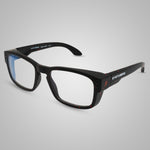
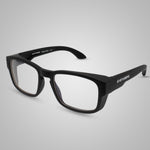
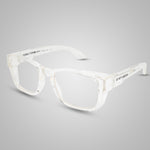
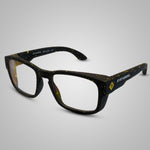
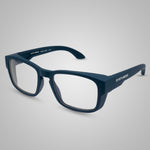
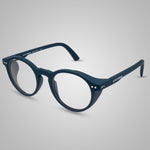
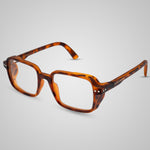
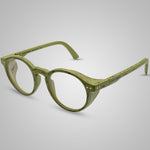
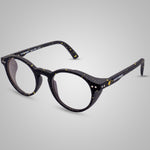
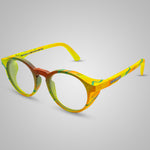
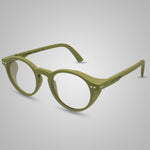
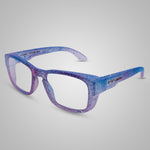
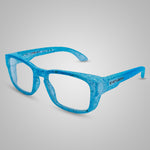
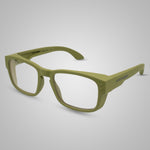
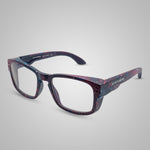
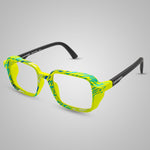
This aspect is particularly relevant for those who use over-ear headphones, where the interaction between the temples and the headset can affect overall comfort. Models designed for intensive gaming, like those in the P1 collection , are born precisely from this need for stability, continuity, and long-lasting comfort, integrated into a functional design.
A question of visual sustainability
Gaming glasses are n't a shortcut to performance, nor are they a fashion accessory. They're a response to a real need for visual sustainability in an increasingly digital world.
Taking care of your eyes means recognizing that gaming isn't just about reflexes and hardware, but also about balance. Reducing eye strain allows you to experience the game more consistently, consciously, and for longer, without making fatigue a constant.
In a digital ecosystem that requires sustained attention, the quality of experience often depends on elements that become visible only when they begin to disappear. Vision is one of these.


